How much does an ecommerce website cost in the UK?
Most UK stores cost £5,000 to £15,000 to build. That number gets quoted everywhere and it is the least useful one in this guide, because on a store doing real revenue the build is under a quarter of what you will actually spend. Here is the whole picture.
Quick answer: in 2026, a themed UK ecommerce store costs £2,000–£6,000, a custom-designed store £5,000–£12,000, and a large build with integrations £12,000–£30,000+. Most SMEs land between £5,000 and £15,000. Add £19–£259 a month for the platform and 1.5%–2% plus 25p of every order in card fees. At ZevGeeks, fixed-price projects start from £2,500.
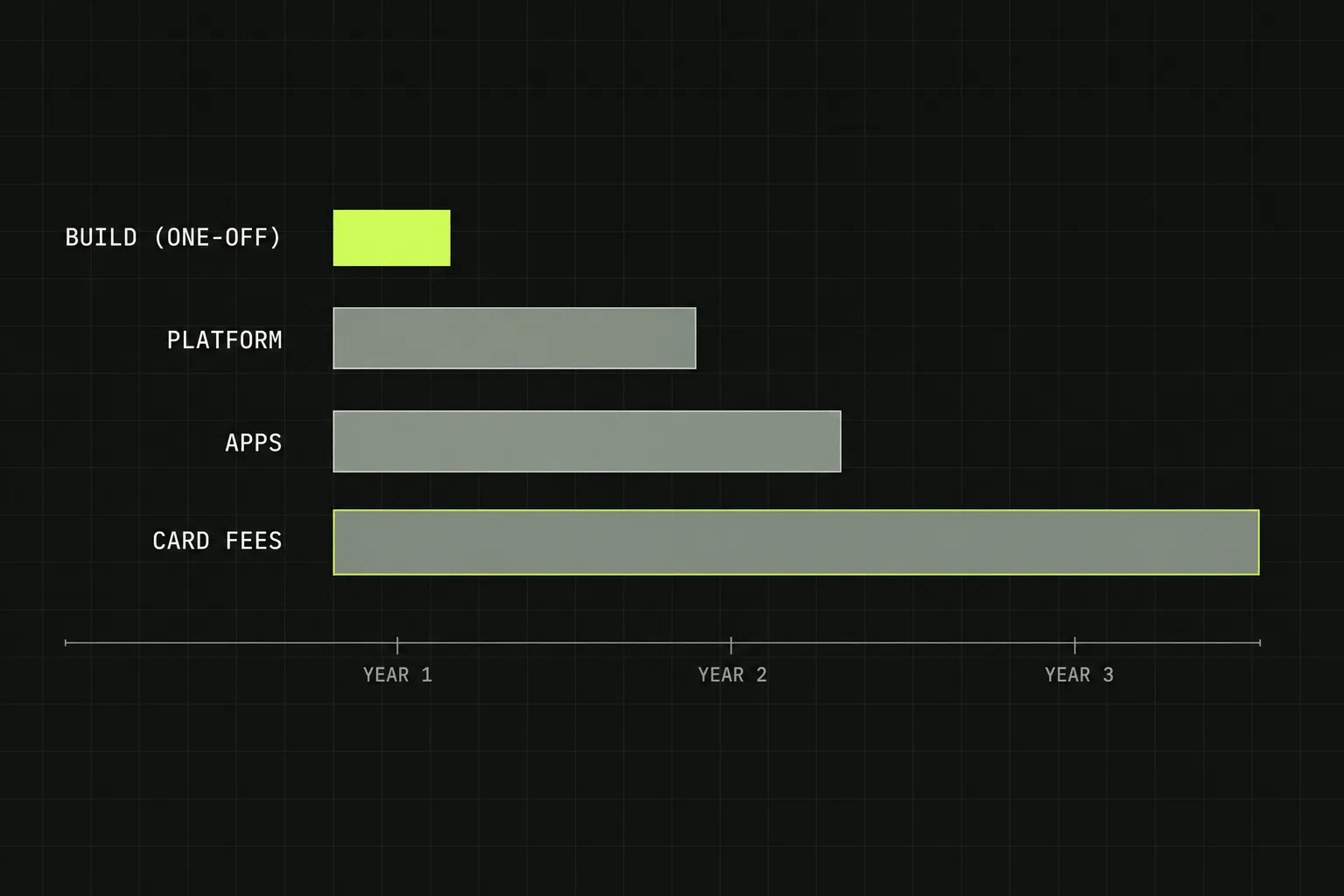
The quote you compare is the one-off block. The recurring blocks are larger.
UK ecommerce build costs in 2026
These are what UK agencies and freelancers charge to design and build the store itself, before any platform or payment costs.
| Type of store | Typical UK build price | What you get |
|---|---|---|
| DIY on a theme | £0–£500 | A paid Shopify or WooCommerce theme and your own weekends. Genuinely fine for testing whether anyone wants the product. |
| Themed store, professionally set up | £2,000–£6,000 | A quality theme configured properly: brand applied, products and collections structured, checkout, shipping and tax rules, basic analytics. The most common first commissioned store. |
| Custom-designed store | £5,000–£12,000 | Designed for your brand rather than adapted from a template, with custom product and collection templates and a conversion-led checkout path. |
| Store with integrations | £12,000–£30,000+ | Everything above, plus ERP or accounting sync, B2B pricing tiers, subscriptions, multi-channel listings, or a migration with hundreds of URLs to preserve. |
| Enterprise or Shopify Plus | £30,000+ | Headless builds, multi-region storefronts, custom checkout, multi-stakeholder sign-off. Plus itself starts around £1,800 a month. |
Why the build fee is the smallest number
Almost every ecommerce cost guide stops at the table above, which is why people are surprised twelve months in. A store is a machine with a running cost proportional to how well it works. The better it sells, the more it costs you.
Take a realistic example: a store built for £6,000, turning over £20,000 a month at an average order value of £50, so 400 orders a month. On Shopify Grow at £49 a month billed annually, with Shopify Payments at 1.7% + 25p:
| Cost line | Per year | Over 3 years |
|---|---|---|
| The build (one-off) | £6,000 in year one | £6,000 |
| Shopify Grow plan | £588 | £1,764 |
| Apps (reviews, email, subscriptions) | £1,200 | £3,600 |
| Card fees at 1.7% + 25p on £240,000 | £5,280 | £15,840 |
| Total | £13,068 in year one | £27,204 |
The build is 22% of the three-year cost. Card processing alone is 58%, and it is the one line nobody negotiates because it feels like a law of physics rather than a plan choice. Saving £1,000 by hiring the cheaper builder is worth about ten weeks of card fees on this store. Choosing a build that converts one percentage point better is worth considerably more than the entire build fee.
That is the argument for spending properly on the part that affects conversion, and it is also why we quote fixed prices against a written scope rather than by the hour.
The costs that are not on the quote
None of these are hidden exactly. They are simply someone else's invoice, so they do not appear on the one you are comparing.
| Cost | Typical UK figure | Notes |
|---|---|---|
| Shopify plan | £19 / £49 / £259 a month | Basic, Grow and Advanced billed annually. Monthly billing is roughly 25% more. Plus starts around £1,800. |
| Shopify Payments card fees | 2% / 1.7% / 1.5% + 25p | Basic, Grow and Advanced respectively, on UK online cards. |
| Using an outside gateway instead | +2% / +1% / +0.6% | Shopify adds this on top of your gateway's own fee. The single most commonly overlooked cost on the platform. |
| WooCommerce hosting | £20–£150 a month | Shop-capable hosting, not the £3 shared plan. WooPayments is 1.50% + £0.25 on UK online cards. |
| Apps and extensions | £30–£200 a month | Reviews, email, subscriptions, upsells, loyalty. Adds up quietly and is rarely audited once installed. |
| Product photography | £300–£3,000 | Usually excluded from web quotes and usually the largest single influence on conversion. |
| Ecommerce SEO | £400–£2,000+ a month | Optional, but a store nobody finds is an expensive brochure. See our SEO cost guide. |
| Maintenance | £0–£400 a month | Near zero on Shopify, real and non-optional on WooCommerce. |
What actually drives the price
Two stores that look similar can differ threefold in cost. It is almost always one of these:
- Catalogue size and structure. Twenty products in three collections is a different job from 2,000 SKUs with size, colour and material variants. Variant complexity, not product count, is what costs.
- Migration. Moving an existing store means product data mapping, customer and order history, and a redirect for every old URL. On a store with ranking history this can exceed the design work.
- Integrations. Accounting, ERP, 3PL, EPOS, subscriptions. Each one is a small project with its own failure modes.
- B2B requirements. Trade pricing, minimum order quantities, account applications and net payment terms roughly double a build.
- Multi-channel. Keeping Shopify, Amazon, eBay and Etsy in sync is an inventory problem before it is a listing problem. Keeping the marketplace accounts themselves in good standing is a separate discipline again, covered in our marketplace seller support hub.
- Design origin. A configured theme is a fraction of the cost of a store designed from your brand upward, and for a first store it is often the correct choice.
How much should you actually spend?
Match the spend to the stage rather than the ambition. Spending £15,000 before you know the product sells is the most expensive mistake in ecommerce.
| Where you are | Sensible spend | Why |
|---|---|---|
| No sales yet, testing an idea | Under £1,000 | A theme and your own effort. The goal is evidence, not a finished brand. |
| Consistent orders, growing | £3,000–£8,000 | A professionally structured store. This is where conversion work starts paying for itself. |
| £20k+ a month, plateauing | £8,000–£20,000 | Custom design and conversion work. A 0.5 point conversion gain here is worth more than the build. |
| Multi-channel or B2B | £20,000+ | Integration and operations work dominates. The storefront is the easy part. |
Where cheap ecommerce quotes cut corners
A £1,500 store quote is not necessarily bad, but it is buying less than a £6,000 one, and the difference is usually invisible until launch. Ask specifically about:
- Live payment testing. Real transactions through the real gateway, including a refund and a failed card, not just a test-mode order.
- Tax and shipping rules. UK VAT, zero-rated categories, international thresholds and shipping zones configured rather than left on defaults.
- Structured product data. Product schema markup so your items can appear as rich results. Frequently skipped, hard to retrofit.
- Mobile checkout. Most UK ecommerce traffic is mobile and most abandoned carts are too. It should be tested on real devices.
- Redirects, if migrating. A full URL map from old to new. Its absence is the most common cause of losing traffic after a relaunch, covered in our redesign guide.
- Who owns the account. The Shopify account, domain and payment gateway should be in your name from day one.
How we price it
Fixed price against a written scope, agreed before anything starts, with most projects from £2,500 and shipping in 2 to 4 weeks. We build on Shopify, WooCommerce and custom stacks and have nothing to gain from steering you to one, so the platform recommendation comes from your catalogue and your team rather than from what we prefer to build.
Deciding between platforms first? Shopify vs WooCommerce compares the real three-year cost. For Shopify specifically, see the Shopify store cost guide. For non-transactional sites, the UK website cost guide is the right starting point, or see what we do on our ecommerce service page. For the running cost that follows launch, ecommerce automation covers where the operational hours go and which of them are free to remove.
Frequently asked questions
How much does an ecommerce website cost in the UK?
A themed store on Shopify or WooCommerce typically costs £2,000 to £6,000 to build. A custom-designed store runs £5,000 to £12,000, and a larger build with integrations, B2B pricing or multi-channel syncing runs £12,000 to £30,000 or more. Most UK small and medium businesses land between £5,000 and £15,000. At ZevGeeks, fixed-price projects start from £2,500.
Why is an ecommerce site more expensive than a normal website?
Because a brochure site has to inform and a store has to transact. You are paying for product data structure, variants, collections, checkout, payments, tax and shipping rules, stock handling, order emails, returns flow and testing that money actually moves correctly. A five-page marketing site has none of that. The design work is comparable, the engineering behind it is not.
What are the ongoing costs of an ecommerce website?
Three separate lines: the platform, the apps, and the card fees. Shopify plans run £19 to £259 a month billed annually, apps typically add £30 to £200 a month, and payment processing takes 1.5% to 2% plus 25p of every order. On a store turning over £20,000 a month, card fees alone come to roughly £5,300 a year, which is more than the plan and apps combined.
Is Shopify or WooCommerce cheaper?
WooCommerce is cheaper to license and more expensive to run. The plugin is free and takes 0% of revenue, but you pay for hosting, paid extensions, security and either your time or a retainer to keep it patched. Shopify costs more in plan fees and less in attention. Which is cheaper depends entirely on whether you have someone to maintain it.
Can I build an ecommerce store myself for under £1,000?
Yes, and for a first test of an idea that is often the right call. A Shopify theme, your own product photos and a weekend gets you selling. The limits show up later: generic conversion rates, no structured product data for search, and a catalogue that becomes painful to restructure once you have hundreds of SKUs. Start cheap to validate, invest once you have orders.
How long does an ecommerce website take to build?
6 to 12 weeks for most UK stores. Catalogue size drives it more than design does: 20 products across three collections is a very different job from 2,000 SKUs with variants. Migration from another platform, B2B pricing tiers and multi-channel syncing each add real time. Our fixed-price projects typically ship in 2 to 4 weeks.